

No products in the cart.
Course
Genuine Career Outcomes with BIM Coordinator Training Course Online With Certificate!
- December 30, 2025
- Com 0
Introduction
Many people search for a BIM coordinator training course online with certificate program because they want a strong role, respect in teams and long term career growth. But most learners stop at the certificate and never ask one important question.
What does a BIM Coordinator actually do on real projects? This role is not about software alone. It sits between design teams, models, and deadlines. In this guide, we break the hype and share the real picture.
You will understand true job scope, career outcomes, skill demands and whether this path fits you before you commit your time and energy.
What is a BIM Coordinator in real project environments?
As the bridge
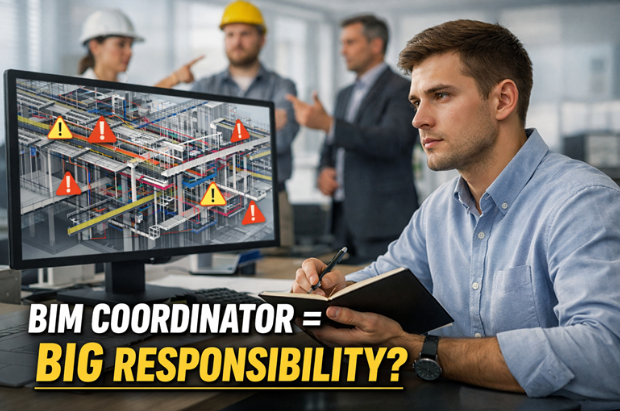
You act as the link that keeps the project moving smoothly. You connect all building models and make sure updates do not break the flow. Your work helps teams avoid delays and rework. This role focuses on control, clarity and timing, not just creating drawings on a screen.
Works with architects, structural, MEP and project managers
You work daily with architects, civil, structure and MEP teams. You also support project managers with clear model updates. Your role helps all teams stay on the same page. When one team changes something, you make sure others adjust correctly and on time.
Focus on coordination, clashes, standards and reporting
You spend time checking clashes between models and fixing issues early. You follow set rules, file standards, and naming systems. You also prepare simple reports so teams understand problems clearly. A BIM coordinator training course teaches this control based work, not just tool use.
BIM Modeler vs BIM Coordinator (clear difference)
A BIM Modeler builds models and drawings based on instructions. A BIM Coordinator manages how those models work together in one project. You focus on flow, checks and teamwork. You guide modelers and protect the project from errors caused by poor coordination.
What You Learn in this BIM Certification Program
Model Coordination Skills
You learn how to combine architectural, structural and MEP models into one working setup. We show you how to manage model versions and updates without confusion. You also learn how to spot coordination risks early before they turn into big site or design problems during project delivery.
Clash Detection & Resolution
You learn clear clash detection steps used in real projects. We teach you how to sort important clashes first and avoid wasting time on minor issues. You also learn how to share clash reports with teams and track which issues are fixed and which still need action.
BIM Standards & ISO Practices
You understand ISO 19650 ideas in very simple words. We guide you on naming rules, folder systems and clean file structure. You learn how to keep work consistent across teams so everyone follows the same standards throughout the project life cycle.
Coordination Tools & Workflows
You learn how coordination platforms work in real offices. We show you how to track issues, manage updates and follow clear workflows. You understand how teams work together in shared BIM spaces. This is a key part of a BIM coordinator training course online with certificate program.
Transition from Modeling to Leadership
You learn how to move from doing tasks to overseeing work. We help you communicate clearly with architects, engineers and managers. You also learn how to support project managers and BIM leads by sharing updates, risks and progress in a simple and professional way.
Is this BIM certification program enough to get a job?
Let us be honest and clear with you. A certificate alone does not guarantee a job. Many people finish certification, but companies still test real understanding. What truly helps you is certification with practical exposure. When you understand real BIM coordination, your chances improve a lot.
Recruiters mainly look for:
-
- Clear understanding of coordination work in construction projects
- Ability to spot problems and suggest workable solutions
- Strong communication with design teams and managers
A good certification helps in the right way:
-
- It shortens your learning time
- It helps you move faster into coordination focused BIM roles
- It builds confidence when you face interviews and real project questions
Quick Reminder: When skills support the certificate, jobs follow naturally.
Career outcomes after completing a BIM training course online!
Primary Roles
-
- BIM Coordinator
- Digital Construction Coordinator
- Project BIM Coordinator
- Design Coordination Engineer
- BIM Coordination Engineer
- BIM Lead (with experience)
Growth Roles
-
- BIM Model Manager
- BIM Information Manager
- Junior BIM Manager
- Discipline BIM Lead (Architecture / Structure / MEP)
- Project BIM Lead
- BIM Delivery Coordinator
Industry Demand Sectors
Architecture & Engineering Consultancies
-
- BIM Coordinator
- Architectural BIM Coordinator
- Structural BIM Coordinator
- MEP BIM Coordinator
- BIM Information Coordinator
Construction & Infrastructure Companies
-
- Project BIM Coordinator
- Digital Construction Coordinator
- Site BIM Coordinator
- Construction BIM Lead
- BIM Planning Engineer
Global BIM Outsourcing Firms
-
- Offshore BIM Coordinator
- BIM Delivery Specialist
- Remote BIM Coordinator
- BIM Operations Coordinator
- BIM Quality Control Specialist
Real Estate & Project Management Firms
-
- Project BIM Coordinator
- Digital Project Coordinator
- BIM Reporting Specialist
- Asset Information Coordinator
- Facilities BIM Coordinator
Does online learning work for coordination?
Live instructor interaction
You learn coordination better when you can talk to the trainer live. You ask questions, clear doubts and understand mistakes instantly. Live sessions help you think like a coordinator. Without interaction, learning feels one sided and slow, especially for coordination roles.
Real project scenarios
You understand coordination only when you see real project problems. Real models, real clashes and real changes teach you how work happens daily. These scenarios help you connect learning with job work instead of guessing how things work in offices.
Practical assignments
Coordination skills grow only when you practice. Assignments force you to check models, find issues and solve them. This builds confidence and speed. Watching lessons without practice does not prepare you for coordination tasks or interviews.
Industry experienced trainers
Trainers with real project experience teach what companies actually expect. They explain workflows, team roles and common mistakes. This guidance helps you avoid wrong learning paths and prepares you for real coordination responsibilities, not just software use.
Important note
Online BIM training works only when it teaches coordination workflows. If a course focuses only on software commands, it fails. Coordination needs thinking, process understanding and teamwork skills…. not just tool knowledge.
How to choose the right BIM coordinator certificate program?
-
- You should choose a program that trains you for coordination roles, not only model work. Our course focuses on managing models, handling clashes and controlling project flow. This approach prepares you for real BIM coordinator responsibilities from the start.
-
- You should learn clash detection and BIM standards together. Our training includes real coordination checks and standard based work. This helps you meet office expectations and perform confidently during interviews and project discussions.
-
- You learn faster with live guidance. Our course runs with instructor-led sessions where you ask questions and fix mistakes early. This support helps you understand coordination concepts clearly instead of struggling alone with recorded content.
-
- You should learn how real teams work. Our course explains real project workflows step by step. This helps you connect learning with actual job tasks and feel ready for coordination work in professional environments.
-
- You should choose a course that supports long term growth. Our program shows how you move from coordination roles to lead positions. This guidance helps you plan a stable BIM career, not just earn a certificate.
Conclusion
A BIM coordinator role comes with responsibility, not shortcuts. You manage people, models and project flow, so clarity matters. A BIM coordinator training course online with certificate program helps you move in the right direction by giving structure to this transition.
Still, tools alone do not define success. Your coordination mindset, problem thinking and communication skills matter more. When you learn the role the right way, you avoid years of trial and confusion.
The right program does not rush you. It prepares you calmly, clearly and with confidence, so you step into coordination work knowing what you are responsible for and why.
FAQ
Q. What qualification are needed to become a BIM coordinator?
A . You usually need a background in civil engineering, architecture or MEP. Many coordinators start as BIM Modelers. Formal degrees help, but companies care more about coordination skills, project understanding and clear communication than certificates alone.
Q. Can freshers enroll in a BIM coordinator certificate program?
A. Yes. Freshers can enroll but you must first understand basic BIM and modeling concepts. Coordination makes more sense after learning how models work. With guided training and practice, freshers can prepare for junior coordination roles step by step.
Q. How long does it take to become job ready?
A. With regular practice… you could become job ready in four to six months. This includes learning coordination basics, workflows and tools. Your speed depends on practice time, real project exposure and how well you understand coordination thinking.
Q.Is BIM Coordinator better than BIM Modeler?
A. It is not better.. just different. A BIM coordinator handles responsibility, coordination and communication while a modeler focuses on execution. Coordination roles usually come with higher responsibility and growth but they need stronger skills and experience.
Q. Is online BIM Coordinator training effective?
Yes. Online training works when it includes live guidance, real workflows and practical assignments. It fails when it teaches only software commands. Coordination skills grow through process understanding, not by watching videos alone.